
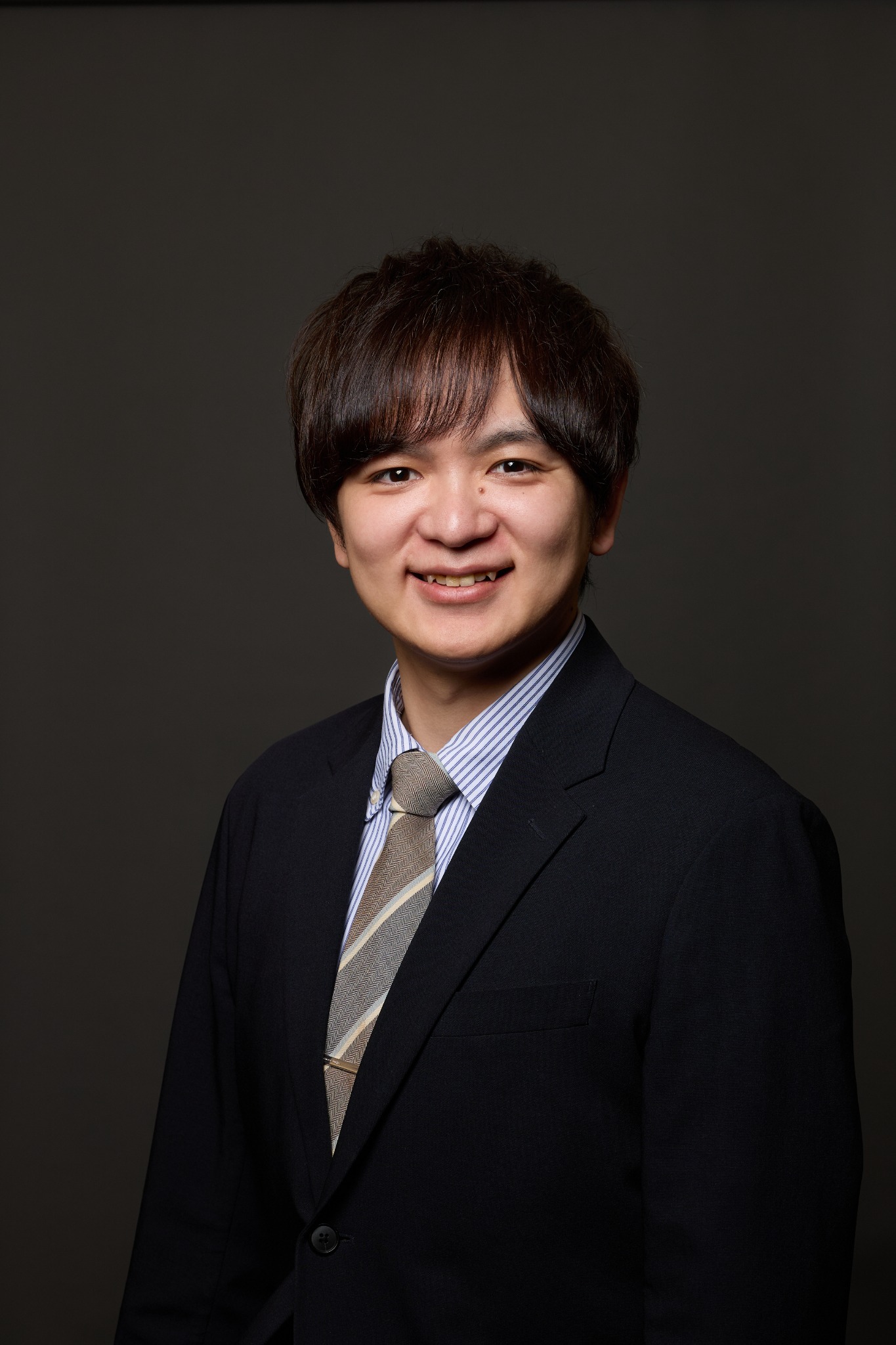
PEOPLE AT JOHZEN · INTERVIEW
Tomoya
Recruitment Consultant at Johzen
After beginning his career in corporate banking, Tomoya transitioned into recruitment, spending approximately seven years at established recruitment agencies before joining Johzen in April 2026.
Since joining, he has generated approximately JPY 40 million in revenue while also taking an active role in introducing AI tools, improving internal processes, and encouraging knowledge sharing across the team. We sat down with Tomoya to discuss his career, what attracted him to Johzen, his approach to recruitment, and how working at a smaller, more entrepreneurial firm compares with his experience at larger agencies.
Could you tell us about your career before Johzen and what ultimately attracted you to the company?
After graduating from university, I started my career at a regional bank, where I spent about five years primarily working in corporate lending. I then moved into recruitment, spending approximately seven years at established recruitment agencies.
There were a few reasons I decided to join Johzen, but the two biggest factors were the flexibility in how I could work and the compensation structure. Many of the people at Johzen were former colleagues from earlier in my career, so I already had a good understanding of the people and the company culture before joining.
Beyond that, I was attracted to the opportunity to be rewarded fairly for my performance while having the freedom to work in the way I believe is most effective.
Now that you’ve joined, what has surprised you most about working at Johzen?
Probably how much I can get involved in beyond my day-to-day recruitment work. I’m not limited to supporting clients and candidates. I’ve also been involved in improving internal processes through AI, organizing data, and sharing knowledge across the team.
For example, if I notice something in my daily work that could be done more efficiently, I can suggest an improvement and actually take the initiative to implement it. The company is also very open to introducing new tools, whether they’re something we genuinely need or simply something I think would be worth experimenting with.
That willingness to try new things, and the speed at which decisions are made, has been a pleasant surprise. When it comes to managing my schedule, communicating with clients and candidates, or working on internal projects, I’m pretty much given complete freedom. (Laughs)
For someone who enjoys thinking independently and taking initiative, it’s a very comfortable environment.
What kinds of roles and clients are you currently supporting, and what do you enjoy most about recruitment?
I mainly support hiring within the IT and consulting industries. What makes these areas interesting is how different each candidate’s background and strengths can be.
Some people have deep expertise in a particular industry, while others have highly specialized technical knowledge. I enjoy understanding those differences and finding opportunities where someone’s experience, strengths, and future career ambitions align with what a company is looking for.
Of course, evaluating technical skills and professional experience is important, but I don’t think that’s enough on its own. I also focus on understanding the company’s culture, the type of person they want to hire, and how the candidate thinks about their own career.
For me, the most rewarding part is bringing those elements together to create a genuinely good match for both sides.
Since joining in April, you’ve generated approximately JPY 40 million in revenue. What do you think has contributed most to that success?
I don’t think there’s anything particularly unusual about my approach. It really comes down to maintaining close communication with candidates and clients, and consistently following through on the actions I’ve committed to.
One thing I pay particular attention to is translating my goals into specific, measurable activities. I analyze the conversion rates at each stage of the recruitment process and work backward to determine what I need to do to achieve my targets.
From there, I break everything down into monthly, weekly, and daily activities. Once I’ve decided what needs to be done each day, I make sure I follow through.
Even when I’m busy or not feeling my best, I try to maintain the activity levels I’ve committed to. It’s not particularly glamorous, but I think that consistency has been a major factor in my results.
Was everything going smoothly from the beginning, or were there challenges when you first joined?
Actually, things didn’t go exactly as planned at first. When I joined in April, I found myself falling quite far behind the activity plan I had originally prepared, and I was honestly pretty anxious about it. The period before achieving my first results was probably the most challenging part.
I spent a lot of time experimenting with different approaches, including ways to use AI more effectively, until I gradually developed a system that worked for me. What really helped was that the company respected my approach throughout that process.
Even when I hadn’t produced results yet, nobody stepped in to micromanage me or tell me exactly how I should be working. I was trusted to figure things out myself and given the freedom to experiment.
Looking back, I think that environment played an important role in helping me find my rhythm and eventually achieve results.
Johzen clearly offers a lot of independence. How does collaboration work, and how would you describe the company culture?
There’s a lot of independence, but that doesn’t mean everyone works in isolation. I’ve benefited quite a bit from the knowledge and information shared by other consultants.
For example, when I’m working with a client, another consultant may have supported that company recently or have information they’ve heard directly from the hiring team. There are always things that one person might not know, so having access to the team’s collective experience is incredibly valuable.
I think another good example of Johzen’s culture is how quickly casual conversations can turn into actual initiatives. Someone might mention, "It would be interesting if we tried this," and the response is often, "Okay, why don’t we give it a go?"
That could be something related to improving our work processes or even organizing a company event. Either way, there’s very little delay between coming up with an idea and actually doing something about it.
Having worked at larger recruitment agencies, what do you see as the biggest differences between those environments and Johzen?
I think larger recruitment firms have some very clear advantages. Having worked at a large generalist agency myself, I know that established processes and management systems can make it much easier to understand exactly what you need to do.
They also tend to have much larger databases, more historical examples and client relationships, and well-developed training programs. For someone who’s relatively new to recruitment, those resources can make it much easier to learn and develop.
On the other hand, the size of those organizations can make it difficult to introduce new ideas quickly. You often need to align different stakeholders, go through multiple approval processes, and demonstrate the potential return on investment before trying something new.
At Johzen, decisions can be made much more quickly, and there’s a genuine willingness to experiment. I think that’s becoming increasingly important, especially with how rapidly AI is changing our industry.
The tools we use, the way we operate, and even what clients expect from recruitment partners are evolving quickly. Being able to identify new opportunities, adopt new technology, and adapt without unnecessary delays is a major advantage of working at Johzen.
Finally, what would you say to experienced recruiters who are considering joining Johzen?
I think Johzen is an attractive environment for people who want to be well rewarded for their performance. But beyond compensation, I think it’s particularly well suited to recruiters who want to think independently and actively explore better ways of working.
If you’re someone who enjoys trying new approaches rather than simply following an established process, there’s a lot of opportunity here.
On the other hand, if you prefer a highly structured environment where you’re given detailed instructions, or if you’re strongly attached to doing things exactly the way you’ve always done them, you might not be a good fit for Johzen.
There’s a lot of freedom here, but that also means taking responsibility for how you work. For people who enjoy turning their own ideas into action and continuously adapting and improving, I think it’s a really interesting place to build a career.